


Be Prepared for Your Hunt
The better physical condition you are in, the more enjoyable and successful your hunt will be. We strongly encourage hunters to practice regularly before their trip, including shooting from different angles and positions.
Colorado weather in the fall can be unpredictable. Temperatures may range from warm daytime conditions to freezing mornings. Dressing in layers is the best way to stay comfortable during your hunt.
Hunters should also review all regulations from Colorado Parks & Wildlife before arriving.
Colorado Parks & Wildlife Rules & Regulations:
https://cpw.state.co.us/
We also recommend applying for preference points each year in March for the species you plan to hunt in the future, as tag availability may become more competitive.
This is a suggested gear list. Most clothing and gear are optional, except for the required blaze orange hat and vest during rifle and muzzleloader seasons, along with your Hunter Safety Card and valid hunting license.

Personal Clothing & Camp Items
For hunters staying in drop camps or cabins.
Clothing
-
Quiet rain gear or outer shell
-
Base layers (light to medium weight)
-
Long underwear for colder weather
-
Several sets of camouflage clothing
-
Light jackets and one heavier jacket (recommended for high country hunts)
-
Hats
-
Beanie (wool recommended for colder weather)
-
Gloves (lightweight or heavy depending on season)
-
Blaze orange hat and vest for muzzleloader and rifle seasons
-
Colorado state law requires 500 square inches of blaze orange on the head, chest, and back
-
-
Two pairs of waterproof boots (400g insulation or less) — well broken in
-
High-quality socks and sock liners
-
Gaiters for boots (recommended for high country terrain)
Camp & Personal Items
-
Comfortable clothes and shoes for relaxing in camp
-
Sleeping bag, pillow, and towels
-
Flashlight or headlamp with extra batteries
-
Water purifier
-
Chapstick
-
Scent-free sunscreen
-
Scent-free soap or shampoo
-
Personal toiletries
-
Ear plugs (helpful in shared camps)
-
Snacks and drinks you prefer
Dressing in layers is highly recommended, and wool performs best in colder, late-season conditions.

Archery Hunters
For hunters participating in archery seasons at any camp location.
Archery Equipment
-
Bow
-
Spare bowstring
-
Arrows
-
Broadheads and practice tips
-
Sight
-
String wax
-
Release (plus a spare if possible)
-
Small Allen wrench or bow tool
-
Fixed blade broadheads recommended
Hunting Gear
-
Binoculars
-
Rangefinder with extra battery
-
Wind checker
-
Knife
-
Matches and small survival kit
-
Headlamp or flashlight with batteries
-
Daypack or backpack
-
Water bottle or hydration bladder
Required Documents
-
Hunter Safety Card
(Required for hunters born after January 1, 1949 unless already verified with the State of Colorado) -
Hunting license (if not purchasing upon arrival)
Archery tags are available over the counter at most sporting goods stores or Walmart.
We recommend practicing archery shots from 20–60 yards in multiple positions before your hunt. Targets will be available in camp for practice.

Rifle & Muzzleloader Hunters
For hunters participating in rifle or muzzleloader seasons at any camp location.
Firearms & Optics
-
Rifle
-
Ammunition
-
Quality scope with scope cover (non-fog recommended)
-
Spotting scope (optional)
-
Shooting sticks
Hunting Gear
-
Binoculars
-
Rangefinder with extra battery
-
Wind checker
-
Anti-fog wipes
-
Hand warmers
-
Knife, matches, and small survival kit
-
Orange flagging
-
Daypack or backpack
-
Water bottle or hydration bladder
-
Headlamp or flashlight with extra batteries
Required Safety Gear
-
Blaze orange hat and vest
(500 square inches required by Colorado law)
Required Documents
-
Hunter Safety Card
(Required for hunters born after January 1, 1949 unless already verified with the State of Colorado) -
Hunting license (if not purchasing upon arrival)

Before You Arrive
What We Provide at Drop Camp
Our team also packs harvested game out of drop camps, though hunters should bring game bags and be prepared to manage meat in the field for at least one day.
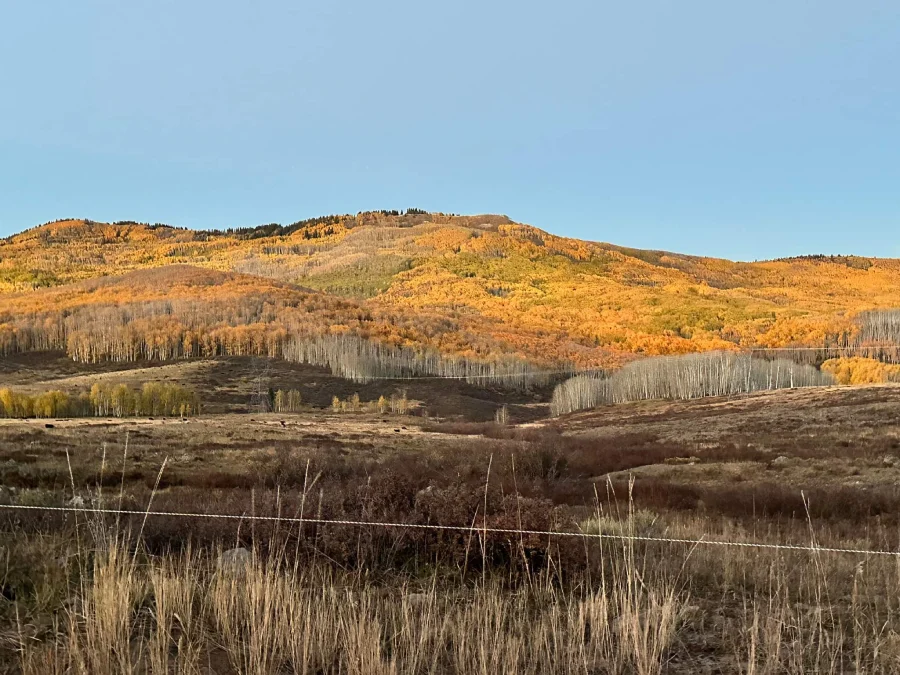
Camp Setup
-
Two 16×20 waterproof tents with tarps
-
Cot and foam pad for each hunter
-
Wood heating and cooking stove
-
Wood cut and stacked for camp
-
Axe and shovel
-
Fire starter and lighter
Cooking & Camp Equipment
-
3-burner propane stove with propane
-
Cooking and eating utensils
-
Water supply (natural source or water cans)
-
Folding chairs or camp seating
Lighting & Safety
-
Propane lanterns with propane
-
Fire extinguisher
-
First aid kit
Communication & Power
-
Garmin InReach communication device
-
Solar portable charger for phones and Garmin units
Drop Camp & Travel Notes
Packing Gear
If you are being packed into a drop camp:
-
Use duffel bags of similar size to make packing horses easier.
-
High country horseback hunters should bring:
-
Warm sleeping bag
-
Pillow
-
Towels or washcloths
-
Weather in the high country can be significantly colder and harsher than lower elevations.
Wool clothing is strongly recommended. Cotton is not recommended.
Camp Arrival
Hunters should be prepared to head into camp between 9:00 AM and 11:00 AM the day before the hunt begins. Final timing will be confirmed by Dustin or your guide approximately two days prior to your hunt.
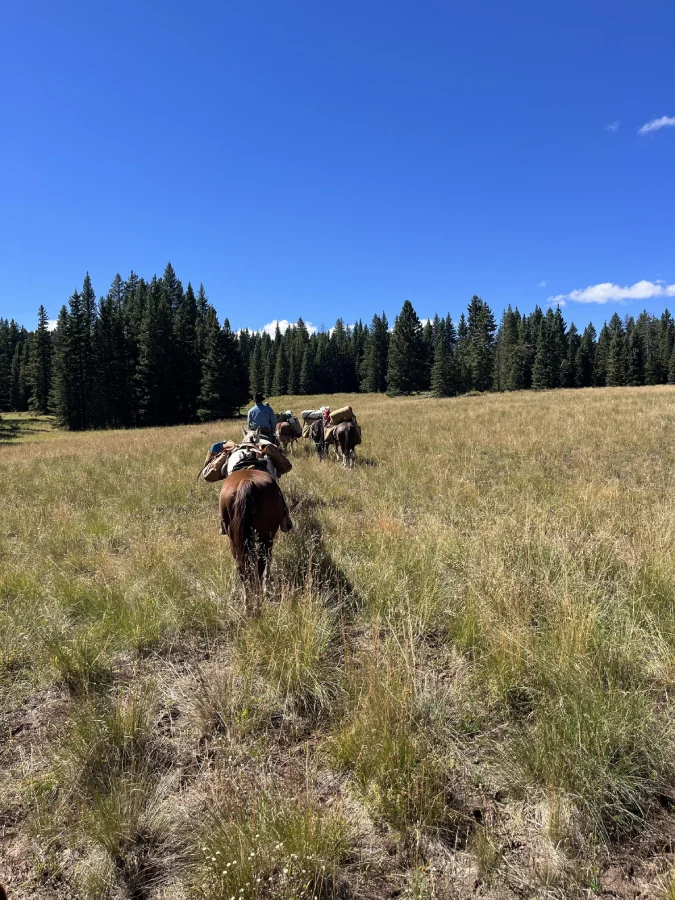
Basecamp Cabin Accommodations
Hunters staying at the Hubbard Creek Basecamp Cabin will find the cabin fully equipped with:
-
Bedding and linens
-
Towels
-
Cookware and kitchen equipment
-
WiFi access
We still recommend bringing your own sleeping bag and pillow for additional comfort.
Not Included in Hunt Pricing
The following items are not included in the price of your hunt:
-
Colorado hunting license
-
Meat processing
-
Meat shipping
-
Taxidermy services
-
Trophy shipping
Travel Recommendation
We strongly recommend driving to camp rather than shipping gear, as shipping costs are extremely high. Driving also allows hunters to transport their harvested meat and antlers home more easily.